Open carrier auto transport is a widely used way to move vehicles between cities and states. Your car travels on an open multi-level trailer alongside other vehicles, with pickup and delivery coordinated around the route, carrier availability and safe access at each location.
It is commonly considered for sedans, coupes, hatchbacks, family SUVs and many pickup trucks. The right transport arrangement depends on your vehicle's size and condition, the route, your schedule and the level of protection you prefer.
1. What Is Open Carrier Auto Transport?
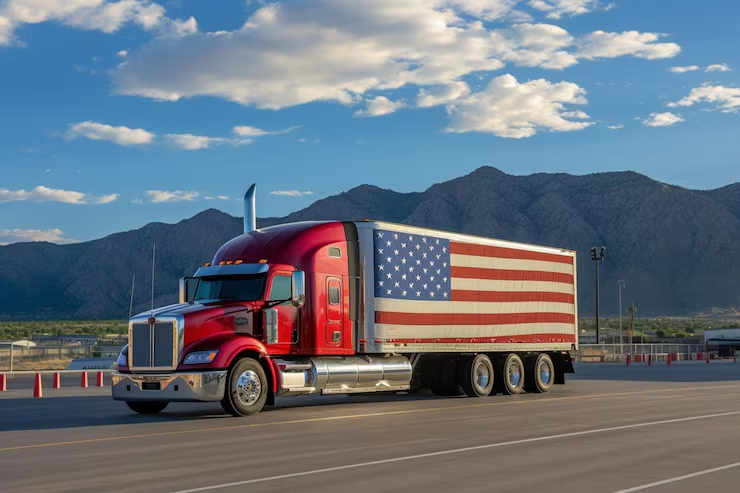
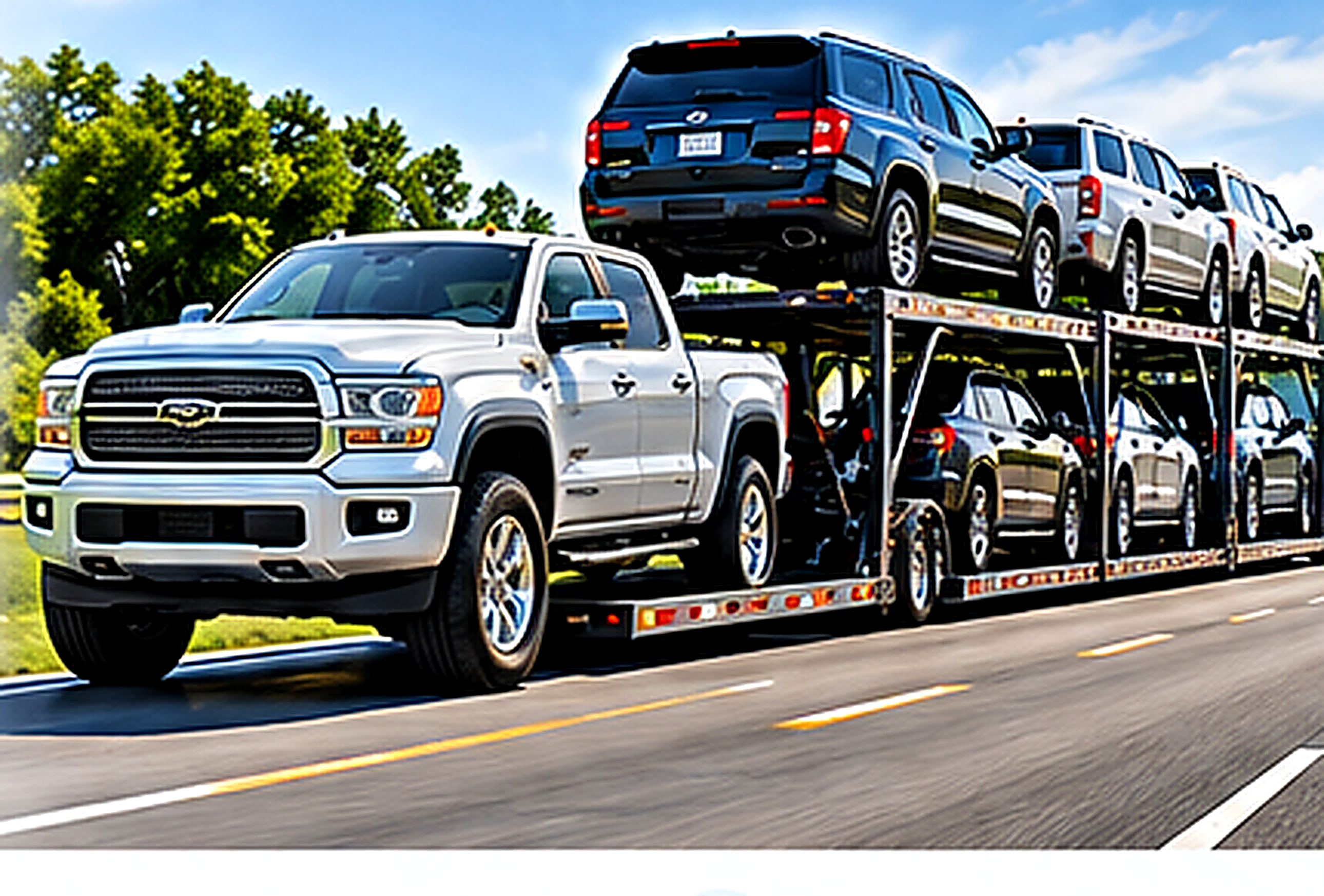
Open carrier auto transport moves vehicles on a specialized trailer that is open to the elements. Depending on its configuration, the trailer can carry several vehicles on the same trip. It is a common option for standard passenger vehicles moving locally, regionally or across the country.
Because the trailer is open, vehicles remain exposed to ordinary outdoor weather and road conditions during transit. Customers who prefer a covered trailer can compare open transport with enclosed car shipping before choosing a service.
2. How Does Open Car Shipping Work?
Most open carrier shipments follow a few straightforward stages. Knowing what information is needed can make it easier to coordinate pickup and delivery.
Step 1: Share your shipment details
Provide the pickup and delivery ZIP codes, vehicle year, make and model, whether it runs, and your preferred pickup dates. Mention lift kits, oversized tires, roof accessories or other modifications.
Step 2: Review the quote and arrangements
Review the transport method, quoted amount, estimated pickup window, transit range, payment arrangements and applicable terms. Ask what is included and whether any additional fees or conditions may apply.
Step 3: Prepare for pickup
Remove personal belongings unless their transport has been expressly approved. Photograph the vehicle from multiple angles, disclose mechanical issues and confirm that the pickup location has safe access for the carrier.
Step 4: Inspect at delivery
Review the vehicle with the driver at delivery. Compare its condition with the pickup inspection report, document any concerns and keep copies of the shipment paperwork.
3. Which Vehicles Can Be Shipped?
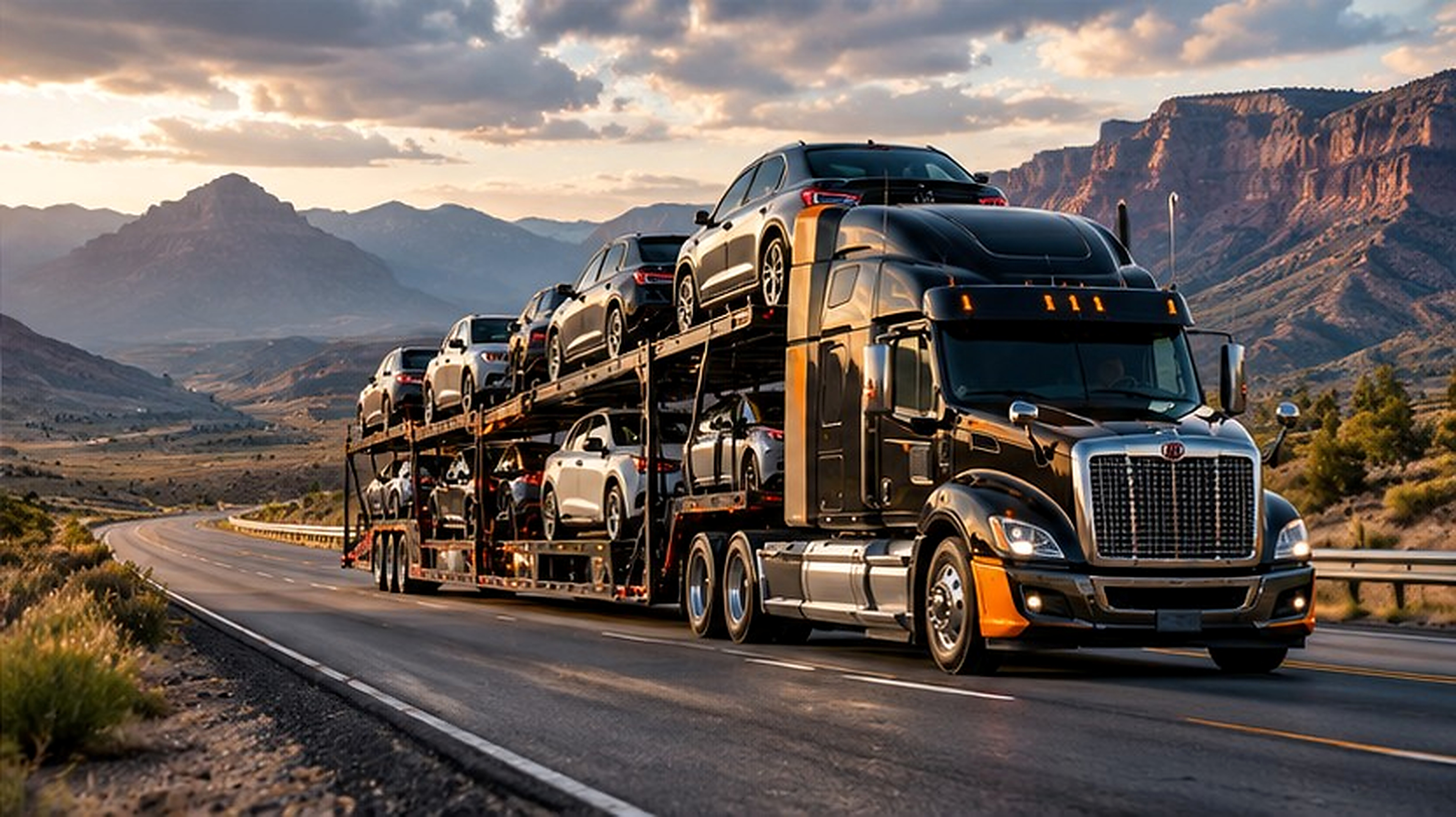
Open carriers commonly transport many everyday vehicles, subject to trailer capacity, dimensions, weight and vehicle condition.
- Sedans, hatchbacks and coupes
- Family SUVs and crossovers
- Many standard pickup trucks
- Minivans and other passenger vehicles
Lifted trucks, oversized tires, roof racks, modified suspensions and unusually low ground clearance can affect loading and available equipment. Provide accurate vehicle information before the shipment is arranged.
4. What Affects Open Carrier Shipping Cost?
There is no single price for every vehicle shipment. Quotes can vary based on route distance, vehicle dimensions and weight, operability, pickup and delivery access, seasonal demand, carrier availability and requested timing.
Route and distance
Pickup and delivery locations influence the route and available carrier options. Remote areas or locations with restricted access may require additional coordination.
Vehicle size and condition
Larger vehicles can occupy more trailer space. An inoperable vehicle may require a winch or other loading equipment, so disclose whether it runs, rolls, steers and brakes.
Timing and availability
Seasonal demand, route frequency and preferred pickup dates can affect scheduling and quote options. A flexible pickup window may provide more choices.
5. Open Carrier vs. Enclosed Car Shipping
Both methods are used for vehicle transportation, but they provide different trailer environments. Open carrier shipping is commonly used for everyday vehicles, while enclosed transport places a vehicle inside a covered trailer.
| Open carrier | Enclosed carrier |
|---|---|
| Open multi-level trailer | Covered trailer environment |
| Commonly used for everyday vehicles | Often considered for classic, luxury and specialty vehicles |
| Vehicle exposed to outdoor conditions | Helps reduce exposure to weather and road spray |
| Generally broader carrier availability | Generally more limited availability |
For a standard daily driver, open carrier transport may be a practical option. Owners of classic, collector, luxury or exotic vehicles may prefer to consider enclosed transport. Compare the actual service details and quote for your shipment.
6. How to Prepare Your Vehicle for Pickup
A little preparation helps make the pickup and delivery inspections easier.
- Remove personal belongings and loose items unless expressly approved.
- Photograph the vehicle from all sides in good lighting.
- Disclose mechanical issues, fluid leaks and battery problems.
- Secure or remove detachable exterior accessories when appropriate.
- Tell the coordinator about modifications and unusual dimensions.
- Keep your phone available for pickup and delivery coordination.
Review the vehicle condition report with the driver at pickup and retain a copy. Repeat the inspection at delivery before completing the handoff.
7. Pickup and Delivery Access
Large vehicle transport trailers need adequate room to turn, stop and load safely. Narrow residential streets, low branches, low bridges, parking restrictions, gated communities and limited turning space can prevent a carrier from reaching a particular driveway.
If the requested address is not safely accessible, the driver may arrange a nearby suitable meeting point. Mention access restrictions when requesting your quote so they can be considered in advance.
8. How Long Does Open Car Shipping Take?
Transit time depends on distance, route, weather, traffic, carrier schedule, pickup timing and origin or destination access. A nearby interstate shipment may take less time than a cross-country move.
Remember that the pickup window and transit period are different. Ask for a shipment-specific estimate and confirm whether the delivery date is an estimate or a guaranteed appointment.
9. How to Choose an Auto Transport Provider
Before arranging a shipment, understand whether the company is a broker arranging transportation or the motor carrier physically transporting the vehicle. Review applicable registration information, carrier details, insurance arrangements, written terms and customer feedback.
Ask which insurance arrangements apply to the carrier handling your vehicle, including coverage limits, exclusions and the claims process. Keep a copy of your quote and shipment documents.
Read the official FMCSA Consumer Advisory About Automobile Transporters ↗
10. Frequently Asked Questions
What is open carrier auto transport?
It is a vehicle shipping method in which cars are secured on an open multi-vehicle trailer. It is commonly used for standard passenger vehicles.
Is open carrier transport safe for my car?
Open carrier shipping is widely used, but vehicles remain exposed to outdoor conditions and no transport method is risk-free. Review the carrier's insurance information, inspection process and shipment terms.
How long does open car shipping take?
Transit time depends on distance, route, weather, traffic, pickup scheduling and carrier availability. Ask for an estimated transit range for your route.
Can I put personal belongings inside the vehicle?
Do not assume personal items are permitted. Rules and carrier policies can vary. Remove personal belongings unless the carrier has expressly approved them.
Can an inoperable car be shipped on an open carrier?
It may be possible if the carrier has suitable loading equipment. Disclose whether the vehicle runs, rolls, steers and brakes before requesting a quote.
Should I choose open or enclosed auto transport?
Open transport is a common option for standard vehicles. Enclosed transport may suit classic, luxury, exotic or specialty cars where owners prefer a covered trailer.
What affects the price of open auto transport?
Price can depend on distance, vehicle size and condition, route demand, season, pickup access and requested timing.
11. Get Started With Your Open Carrier Quote
Whether you are moving a sedan, family SUV or pickup truck, the first step is sharing accurate vehicle and route information. Superior Auto Shipping can help you review the available transport arrangements for your shipment.