
What you'll learn
Auto transport pricing depends on distance, vehicle size and condition, transport method, route demand, and timing. The examples below are planning estimates—not guaranteed quotes.
Before booking a shipment, most customers want to understand auto transport cost, car shipping prices, and which details can change the final rate. A useful estimate starts with your pickup and delivery locations, vehicle details, preferred transport type, and pickup window.
What affects car shipping prices?
Distance is a major factor. Longer routes generally cost more overall, although the per-mile rate may be lower than on a short route. Pricing can also change with route demand, carrier availability, pickup access, vehicle dimensions, whether the vehicle runs, and the dates you choose.

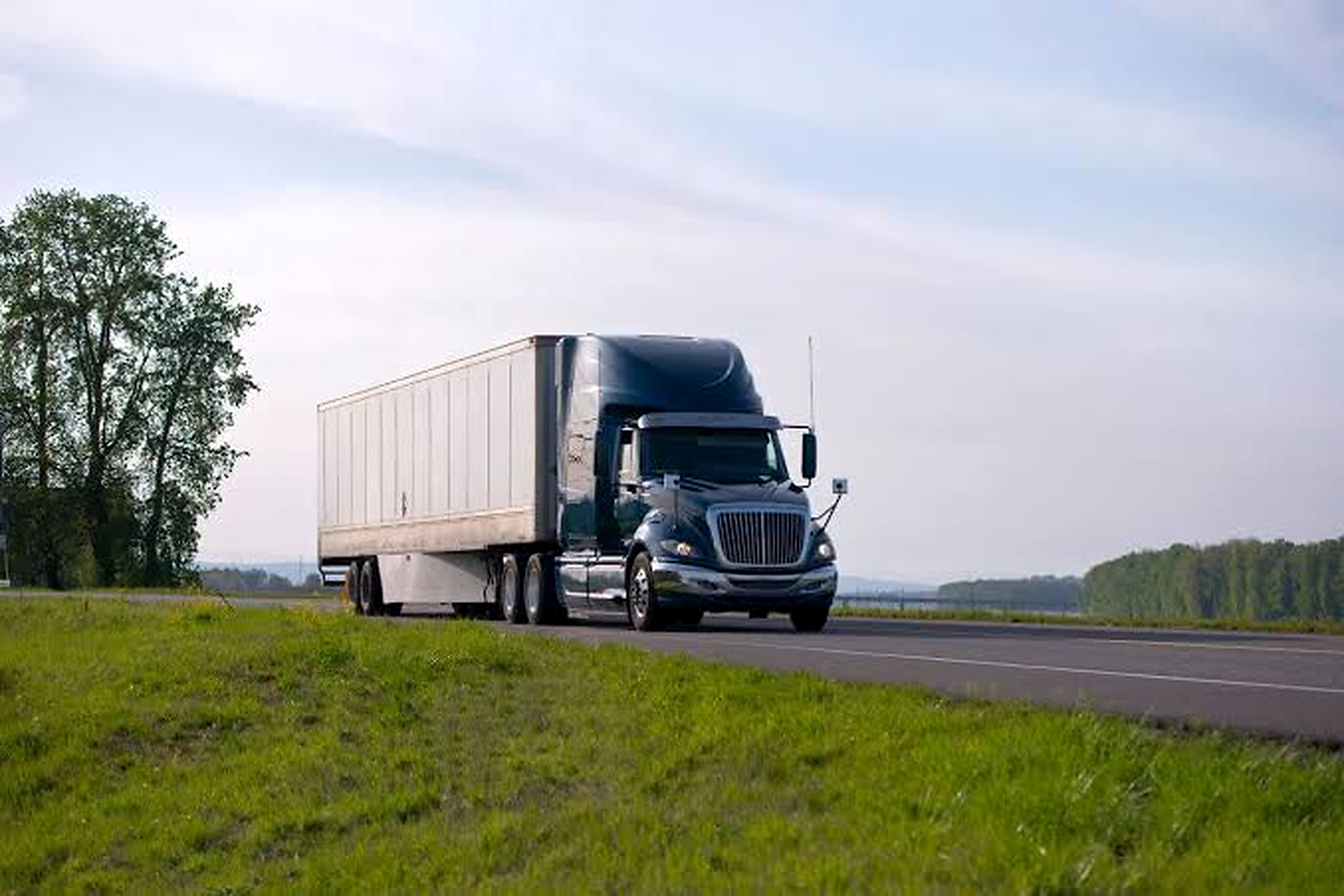
Open transport is typically the more economical choice for everyday vehicles. Enclosed transport uses a covered trailer and generally costs more because of the added protection and more limited equipment availability. SUVs, large pickups, lifted vehicles, and inoperable vehicles may require additional capacity or loading equipment.
Sample auto transport pricing for popular routes in 2026
The following ranges are illustrative budgeting examples for operable, standard-size vehicles using ordinary scheduling windows. Actual carrier offers can be higher or lower; confirm a current quote for your exact route before making plans.
| Route | Approx. distance | Open transport estimate | Enclosed estimate |
|---|---|---|---|
| California → Texas | 1,400 miles | $900–$1,200 | $1,300–$1,700 |
| Florida → New York | 1,300 miles | $1,100–$1,500 | $1,500–$2,000 |
| Texas → California | 1,400 miles | $950–$1,250 | $1,350–$1,750 |
| New York → Florida | 1,300 miles | $1,100–$1,450 | $1,500–$1,950 |
| Illinois → California | 2,100 miles | $1,200–$1,550 | $1,600–$2,100 |
| Arizona → Washington | 1,500 miles | $950–$1,250 | $1,350–$1,750 |
| Georgia → California | 2,200 miles | $1,300–$1,650 | $1,700–$2,200 |
| Pennsylvania → Texas | 1,500 miles | $1,000–$1,300 | $1,400–$1,800 |
| North Carolina → Florida | 600 miles | $600–$850 | $900–$1,200 |
| Michigan → Arizona | 2,000 miles | $1,200–$1,550 | $1,600–$2,100 |
Estimates are not offers or guaranteed rates. Prices vary with current market conditions, vehicle specifications, route access, and carrier availability.
Potential extra charges to ask about
Ask for an itemized explanation of any additional costs before booking. Depending on the shipment, factors may include inoperable-vehicle loading, oversized dimensions, remote pickup or delivery locations, expedited scheduling, storage, or a change to the original shipment details. Do not assume every provider charges the same fees.
Seasonal demand can also affect availability and pricing. Summer moves, snowbird routes, college relocations, and other busy periods may have fewer open slots. Flexible dates can sometimes widen the available carrier options.
How to get a more accurate auto transport quote
- Enter accurate pickup and delivery ZIP codes.
- Provide the vehicle year, make, model, dimensions if modified, and running condition.
- Choose open or enclosed transport based on your needs.
- Share a realistic pickup window and disclose access restrictions.
- Review the written quote, payment terms, cancellation terms, and carrier coverage details before confirming.
Start with the Superior Auto Shipping quote form or read our car shipping cost guide. A route-specific quote is more useful than relying on a broad national average.
Frequently asked questions
What is the cheapest way to ship a car?
Open carrier transport is usually the most economical option for standard, operable vehicles. Flexible pickup dates and accessible locations may increase the options available.
Does enclosed transport cost more?
Usually, yes. Enclosed carriers provide a covered environment and are often selected for classic, luxury, exotic, or high-value vehicles.
Can the final price change?
It can if shipment details, access, vehicle condition, timing, or market availability differ from the original quote. Ask what is included and request approval before accepting any changed terms.
Open carrier and enclosed transport: compare the full value
Open carriers move vehicles on a trailer exposed to normal outdoor conditions. They are widely used for everyday cars, crossovers, and many pickup trucks. Because open trailers can carry several vehicles at once, they are often the practical starting point when comparing standard shipments. The vehicle may encounter rain, dust, and ordinary road exposure during transit, just as it would during a long drive.
Enclosed transport places the vehicle inside a covered trailer. Customers often consider it for collector cars, restored classics, exotic models, or vehicles for which limiting exposure is especially important. Enclosed equipment can have fewer available spaces and different routing patterns, so the price and pickup window may differ. Ask what type of trailer is being quoted and whether the quote reflects the vehicle's actual dimensions.
Why route details matter more than a national average
A shipment between two major metropolitan areas may have more carrier traffic than a route involving a remote town, mountain road, or restricted-access neighborhood. The carrier may ask to meet at a nearby parking area if a large transport truck cannot safely reach a residential street. That adjustment can affect convenience and timing, even when the mileage is similar.
Seasonality, fuel costs, weather, construction, and the balance of vehicles moving in each direction can also influence a route. A quote is therefore most useful when it is based on exact pickup and delivery ZIP codes, vehicle details, and a realistic pickup window. Treat online price examples as planning information, not a promise that a carrier will accept the shipment at that rate.
Questions to ask before accepting a quote
- Is the quoted amount a broker coordination fee, a carrier payment, or the complete expected transportation price?
- What payment is due at booking and what payment is due at pickup or delivery?
- How long is the quote valid, and what events could change it?
- Does the vehicle size or a modification affect the equipment required?
- What is the cancellation policy and how are schedule changes handled?
- Who will provide dispatch details and shipment updates?
Compare written terms rather than choosing only by the lowest advertised number. A clear explanation of service, payment timing, cancellation terms, carrier assignment, and communication can make it easier to compare providers on equal terms.
Compare written terms rather than choosing only by the lowest advertised number. A clear explanation of service, payment timing, cancellation terms, carrier assignment, and communication can make it easier to compare providers on equal terms.