
What you'll learn
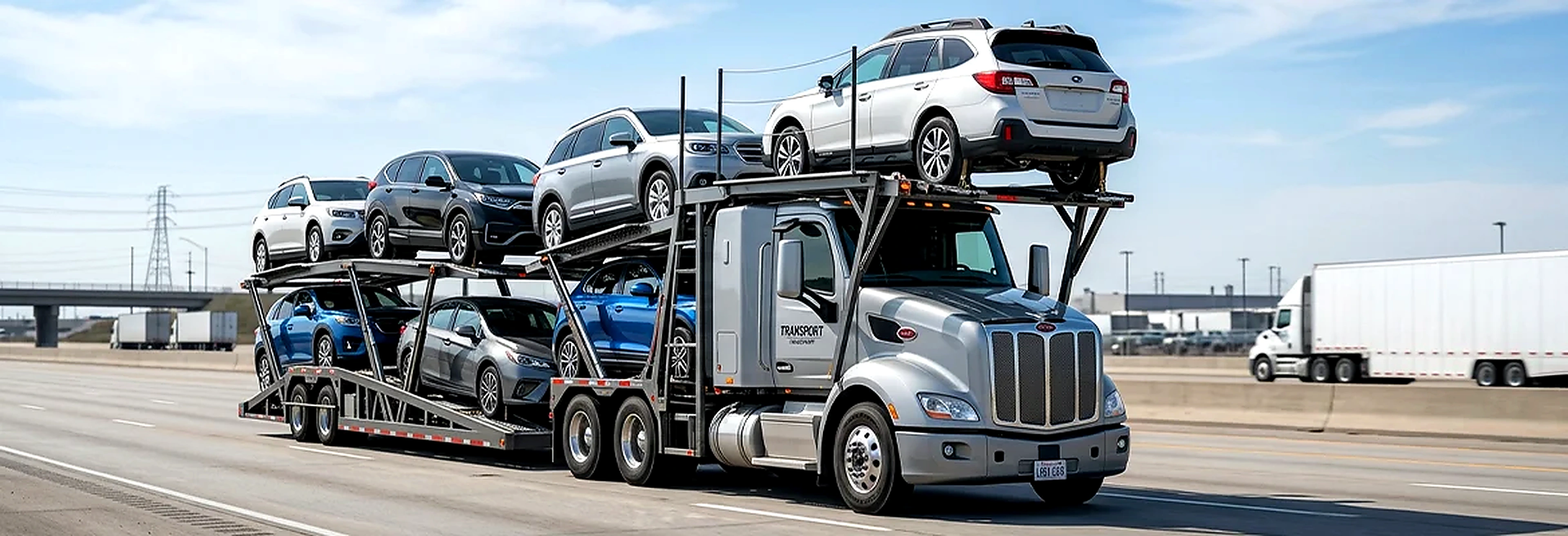
Moving to another state involves many details. Shipping your vehicle can reduce the need for a long drive and help you coordinate travel with the rest of your move.
When relocating, compare the full cost and effort of driving your car with arranging professional vehicle transport. Fuel, hotels, meals, time away from work, mileage, and wear on the vehicle all contribute to the cost of a long drive.
Why consider shipping your car during a move?
Time and convenience
Shipping lets you focus on housing, utilities, work arrangements, and settling into your new location instead of spending several days on the road. It can be especially useful when you are flying to your destination or moving more than one vehicle.
Vehicle wear and driving considerations
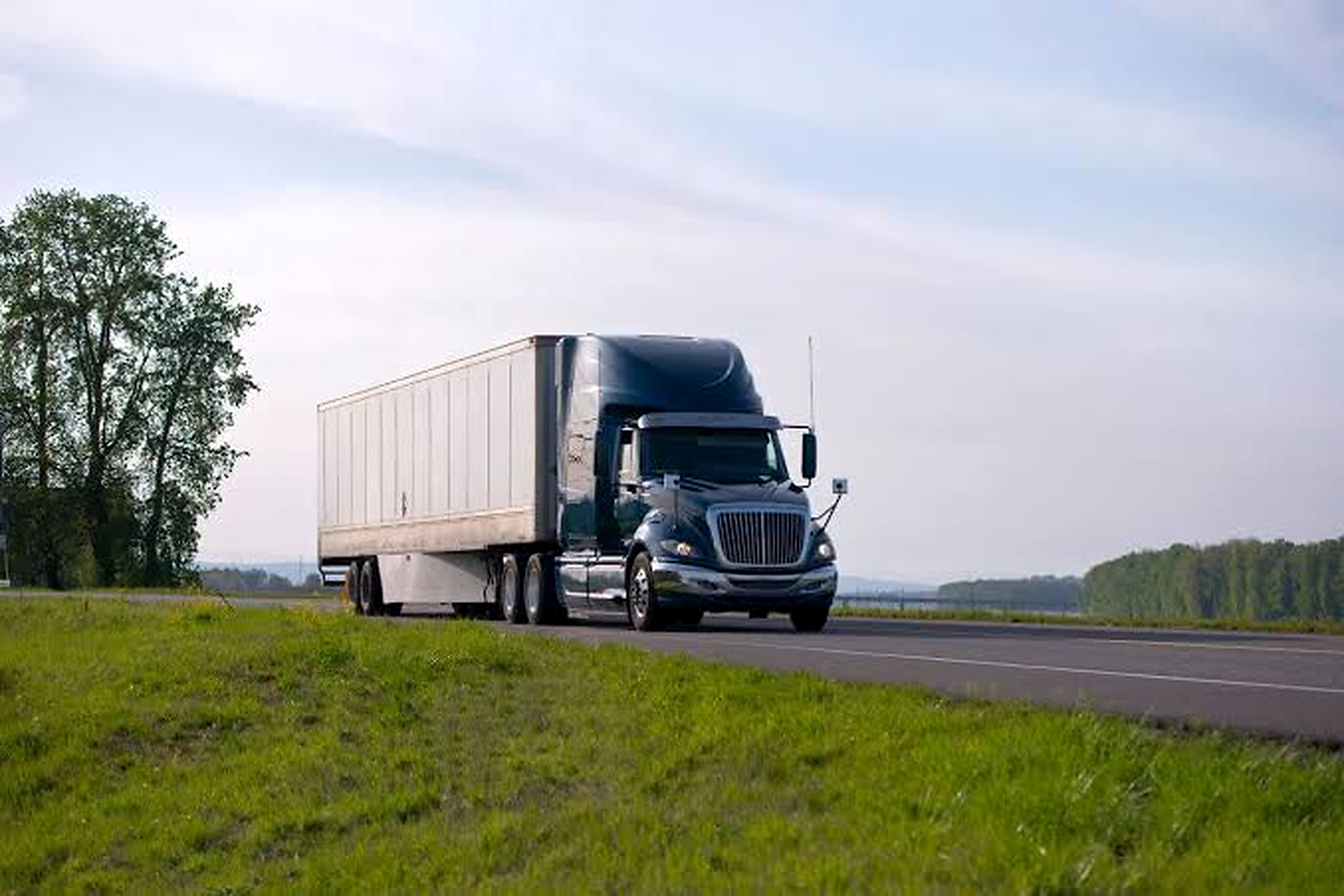
A long relocation drive adds mileage and exposes your car to ordinary road and weather conditions. A carrier transports the vehicle on a hauler, although the vehicle should still be inspected and documented at pickup and delivery.
Choose a transport option
Open versus enclosed transport
Open transport is a common option for everyday vehicles and is generally less expensive. Enclosed transport uses a covered trailer and may suit classic, luxury, exotic, or high-value vehicles where additional weather and road-debris protection is preferred.
Door-to-door versus terminal service
Door-to-door transport coordinates pickup and delivery near your requested addresses where a carrier can safely and legally access them. If the truck cannot reach a narrow street or restricted area, a nearby meeting location may be needed.
Standard versus expedited scheduling
Standard service allows a pickup window and depends on route and carrier availability. Expedited requests may offer faster scheduling when available, but timing and any added cost should be confirmed in writing.
How to choose a transport provider
Review customer feedback, confirm the company and carrier credentials, ask about cargo insurance, and read the written quote carefully. Check the pickup and delivery locations, estimated timing, payment schedule, cancellation policy, and what happens if a carrier or schedule changes.
Prepare your vehicle for transport
- Wash the vehicle and take clear photos of each side and any existing damage.
- Remove valuables and personal belongings unless the carrier explicitly permits specific items.
- Check tire pressure, battery condition, fluid leaks, and whether the vehicle starts and drives.
- Tell the coordinator about modifications, low ground clearance, oversized tires, or mechanical issues.
- Keep fuel around one-quarter tank unless the carrier gives different instructions.
- Have keys available and disable alarms if requested.
What happens at pickup and delivery?
At pickup, inspect the vehicle with the driver and make sure its condition is recorded on the Bill of Lading. Keep a copy. At delivery, inspect the vehicle again in good lighting, compare it with your photos and pickup report, and record any new damage before signing paperwork that indicates the vehicle was received in satisfactory condition.
What determines relocation shipping cost?
Distance, vehicle size and operability, transport method, route popularity, pickup access, season, and schedule flexibility all influence pricing. Use the quote form to share the details of your move and review options for your route.
Build a realistic vehicle-shipping timeline
Start researching transport as soon as your moving dates become reasonably clear. Share the date when the vehicle will be ready, the earliest acceptable pickup day, and any deadline for delivery. Pickup windows are not always exact appointment times because carriers coordinate multiple stops, traffic, weather, and equipment capacity along a route.
If you are flying, arrange a reliable handoff person who can meet the driver, provide keys, and complete the condition inspection. Confirm their phone number and availability in advance. At the destination, make a similar plan so the driver is not left waiting for access or paperwork. If your schedule is flexible, tell the coordinator; a wider window may create more options.
Prepare the vehicle and personal items
Remove luggage, household goods, valuables, toll tags, and loose accessories unless the carrier has explicitly confirmed a permitted exception in writing. Personal belongings are generally not part of the vehicle cargo coverage and can create weight, safety, or regulatory concerns. Leave only the fuel level requested by the carrier and make sure the vehicle can be safely accessed for inspection.
Check tire pressure, battery condition, fluid leaks, and whether the car starts, steers, and brakes. Disclose warning lights, modifications, low ground clearance, oversized tires, roof racks, or a non-running condition. Fold in mirrors where appropriate, secure removable parts, and photograph the exterior, wheels, glass, and interior before handoff.
Coordinate pickup and delivery access
Car carriers are large commercial vehicles and may not be able to enter narrow streets, gated communities, low-clearance garages, or roads with weight restrictions. Ask about access before the pickup date. A nearby wide street or open lot can provide a safer inspection and loading location. Do not assume the driver can enter a private property or wait indefinitely.
Keep your moving documents together
Save your written quote, booking confirmation, contact details, pickup inspection, Bill of Lading, delivery inspection, and any messages about schedule changes. Check the vehicle condition with the driver at both ends and keep copies of signed documents. If a concern arises, record it clearly at delivery and contact the appropriate company promptly.